
Botanical Compounds for Joint Flexibility and Comfort
Explore objective information on natural ingredients and lifestyle approaches to support active, healthy living
The Role of Botanical Support for Joint Health
Joint health is a fundamental aspect of maintaining an active lifestyle throughout our lives. Understanding how our bodies support mobility and comfort through various biological mechanisms is essential for informed decision-making about personal wellness.
Plant-derived compounds have been studied for centuries across various cultures for their properties that may support overall body function. These botanical ingredients contain naturally occurring substances that interact with our biological systems in ways that nutritional science continues to explore and document.
The relationship between diet, lifestyle, and joint health is well-established in scientific literature. A balanced approach to nutrition, combined with regular movement and proper rest, creates a foundation for long-term joint comfort and flexibility.

Key Natural Ingredients for Flexibility
Explore commonly studied natural compounds known for their properties supporting body movement and vitality
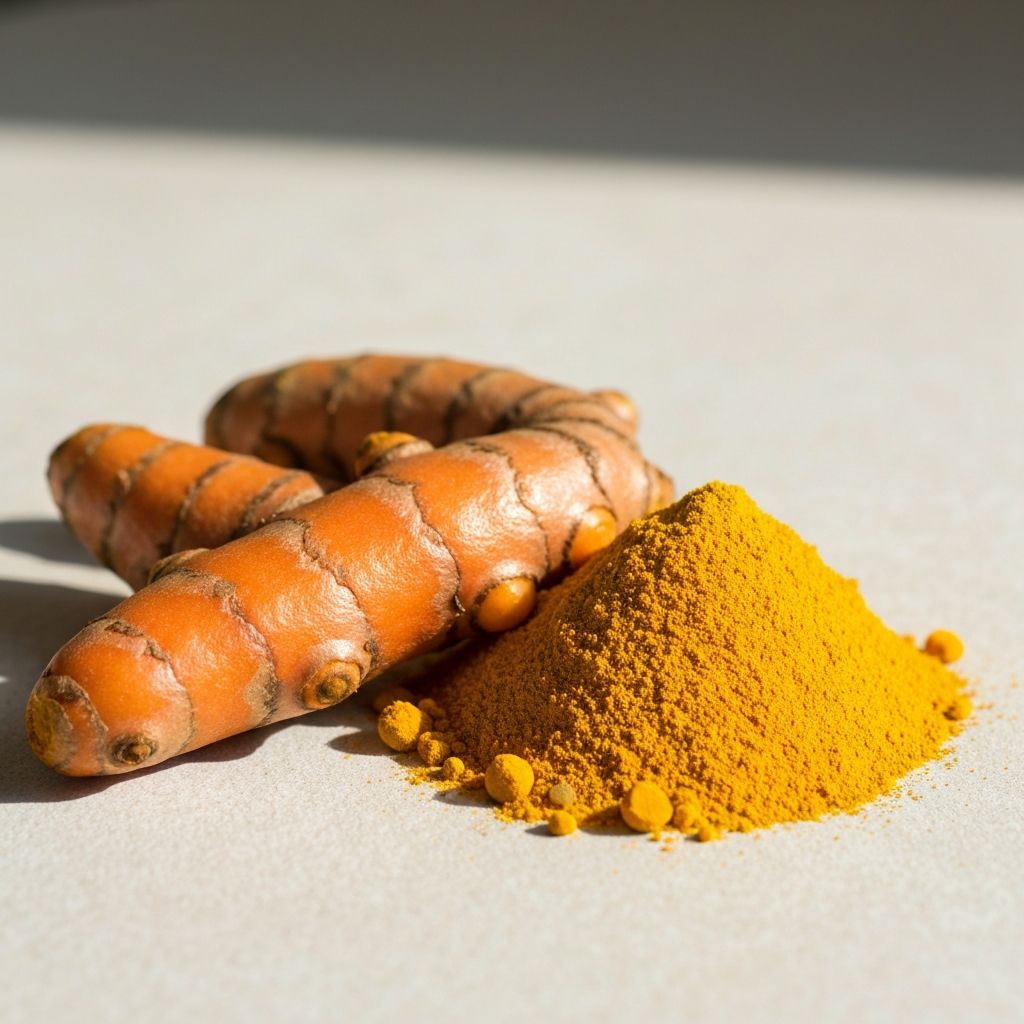
Curcumin from Turmeric
Turmeric, a golden spice derived from the root of the Curcuma longa plant, contains curcumin—a compound extensively studied for its role in supporting general wellness and comfort. Traditional uses of turmeric span thousands of years across Asian cultures.
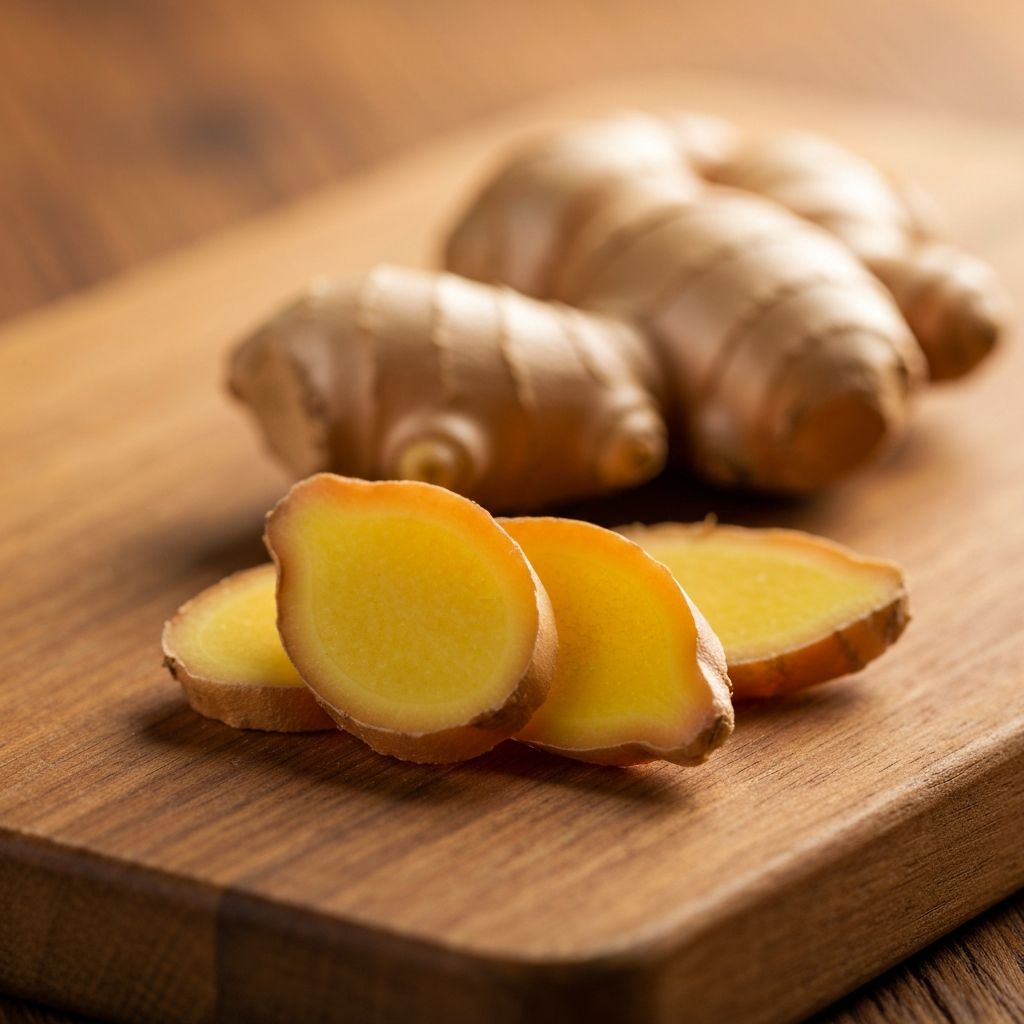
Gingerol from Ginger
Ginger root contains gingerol, a natural compound recognized for its potential in supporting body comfort and mobility. Ginger has been used in traditional medicine systems worldwide and continues to be a subject of modern nutritional science.

Boswellia Extract
Boswellia, sourced from tree resin, contains compounds studied for their potential to support natural comfort and flexibility. This ingredient has deep historical roots in traditional wellness practices across multiple cultures.
Understanding Joint Anatomy and Function
Joints are complex biological structures composed of multiple components working together to enable movement and flexibility. Understanding these components helps clarify how lifestyle choices and nutritional support contribute to long-term joint comfort.
Key Joint Components:
- Cartilage: Protective tissue covering bone ends
- Ligaments: Connective tissues stabilizing joints
- Synovial Fluid: Natural lubricant enabling smooth movement
- Tendons: Tissues connecting muscles to bones
- Muscles: Provide movement and stability support
These components work synergistically to facilitate everyday movements, from simple activities like walking to more complex actions like reaching or bending.

Diet and Lifestyle for Active Joints

A balanced, nutrient-rich diet forms the foundation of supporting joint health and mobility. Scientific research consistently shows that nutritional choices significantly impact overall physical function and comfort.
Supportive Nutritional Elements:
- Antioxidant-rich foods: berries, leafy greens, colorful vegetables
- Omega-3 fatty acids: found in fish, seeds, and nuts
- Minerals: including magnesium, zinc, and selenium
- Proteins: supporting tissue repair and maintenance
- Hydration: essential for synovial fluid production
Regular, moderate physical activity—such as walking, stretching, swimming, or yoga—combined with proper nutrition and rest creates an optimal environment for maintaining flexibility and comfort throughout life.
Historical Perspectives on Natural Wellness
The use of botanical compounds for supporting general well-being spans thousands of years across diverse cultures. Traditional medicine systems provide valuable historical context for understanding how natural ingredients have been integrated into wellness practices.
Cultural Traditions:
- Ayurveda (India): An ancient system emphasizing balance through herbs like turmeric and ginger for vitality and mobility
- Traditional Chinese Medicine: Incorporates ginseng, ginger, and other plants to support overall physical function
- Traditional Arabic Medicine: Uses frankincense and other botanicals for general wellness support
- Indigenous Practices: Various cultures worldwide have independently discovered and utilized local botanicals for health maintenance
Scientific Insights into Plant Compounds
Modern scientific research continues to explore and document the mechanisms by which plant compounds interact with biological systems. This explanatory research provides context for understanding why certain botanicals have remained valued across cultures and time.
| Compound | Botanical Source | General Properties | Research Context |
|---|---|---|---|
| Curcumin | Turmeric Root | Polyphenol with antioxidant properties | Extensively studied for effects on comfort and wellness |
| Gingerol | Ginger Root | Pungent compound with bioactive properties | Researched for supporting natural comfort and mobility |
| Boswellic Acids | Boswellia Tree Resin | Active compounds with specific biological interactions | Studied for potential effects on physical comfort |
| Antioxidants | Berries, Leafy Greens | Compounds protecting cellular function | Central to nutritional support research |
This table presents general scientific understanding in explanatory context. All research findings are presented for educational purposes only and do not constitute health claims or medical advice.

Different Approaches to Joint Support
Maintaining joint health involves multiple interconnected approaches, each playing a vital role in supporting long-term comfort and mobility. A comprehensive perspective recognizes that wellness is multifaceted.
Integrated Support Approaches:
- Nutritional Support: Providing essential nutrients through balanced diet
- Physical Movement: Regular, moderate exercise and stretching
- Rest and Recovery: Adequate sleep and stress management
- Hydration: Supporting bodily functions and comfort
- Natural Supplementation: Complementing diet with botanical compounds
Each approach works synergistically with others, creating a holistic framework for supporting joint health and maintaining an active, comfortable lifestyle.
Maintaining Mobility as We Age
Natural changes occur throughout our bodies as we age. Understanding these changes and implementing supportive lifestyle practices enables continued flexibility and active living.
As we progress through different life stages, our bodies undergo natural physiological changes. Joint structures may gradually shift, and recovery times may extend. These are normal processes that do not preclude continued activity and comfort. Scientific research demonstrates that consistent physical activity, proper nutrition, and adequate rest significantly support maintained mobility and quality of life across all ages.
The key to maintaining active lifestyles is adapting approaches to meet current individual needs while remaining consistent with supportive practices. Movement, proper nutrition, and informed choices create a sustainable foundation for lifelong flexibility and comfort.
Safe Exploration of Natural Supplements
When considering natural supplements, informed decision-making is essential. Understanding product labels, ingredient sourcing, and individual health contexts enables responsible exploration of botanical compounds.
- Verify ingredient sourcing and extraction methods
- Review scientific literature on specific compounds
- Understand dosage recommendations and standardization
- Consider individual health status and potential interactions
- Consult healthcare providers when appropriate for personal health contexts
- Look for third-party testing and quality certifications
Supplements are tools that complement a foundation of healthy lifestyle choices. They should not replace balanced nutrition, regular physical activity, or professional medical guidance when appropriate.
Dispelling Common Myths About Joint Health
Misinformation about joint health abounds. Evidence-based, objective information corrects these misconceptions and supports informed decision-making.
Myth: Rest Alone Solves All Issues
While adequate rest is important, consistent movement and physical activity are equally vital for maintaining joint health. Prolonged inactivity can actually reduce flexibility and comfort. The key is balanced activity with appropriate recovery.
Myth: Pain Always Indicates Serious Problems
Not all discomfort requires medical intervention. Normal muscle soreness from activity, minor strains, and fatigue are common experiences. However, persistent, severe, or worsening pain warrants professional evaluation to determine underlying causes.
Myth: Supplements Provide Instant Solutions
Natural compounds work within the body's normal biological processes and timelines. Results from dietary and supplemental support develop gradually over weeks and months as the body integrates nutrients. Patience and consistency are essential.
Myth: One Solution Fits Everyone
Individual differences in metabolism, health history, genetics, and lifestyle mean that responses to interventions vary. What supports one person may have different effects on another. Personalization and individual assessment are essential principles.
The information provided on this site is educational in nature and intended to expand knowledge about botanical compounds and joint health. This content does not constitute medical advice, diagnosis, or treatment recommendations. The material does not replace consultation with qualified healthcare professionals. Individual health situations vary significantly, and what may support one person may not apply to another. This site does not claim to treat, cure, prevent, or eliminate any disease or medical condition. Always consult with appropriate healthcare providers regarding personal health concerns.
Explore Our Resources
Continue learning about botanical compounds and their role in supporting active, healthy living through our educational content.
Learn More About QuijexEducational content only. No promises of outcomes.